
Prateek

Prateek

Prateek

Prateek

Prateek

6 Million

Daily Users

6 Million

Daily Users

6 Million

Daily Users

3200

Trains Run Daily

3200

Trains Run Daily

3200

Trains Run Daily

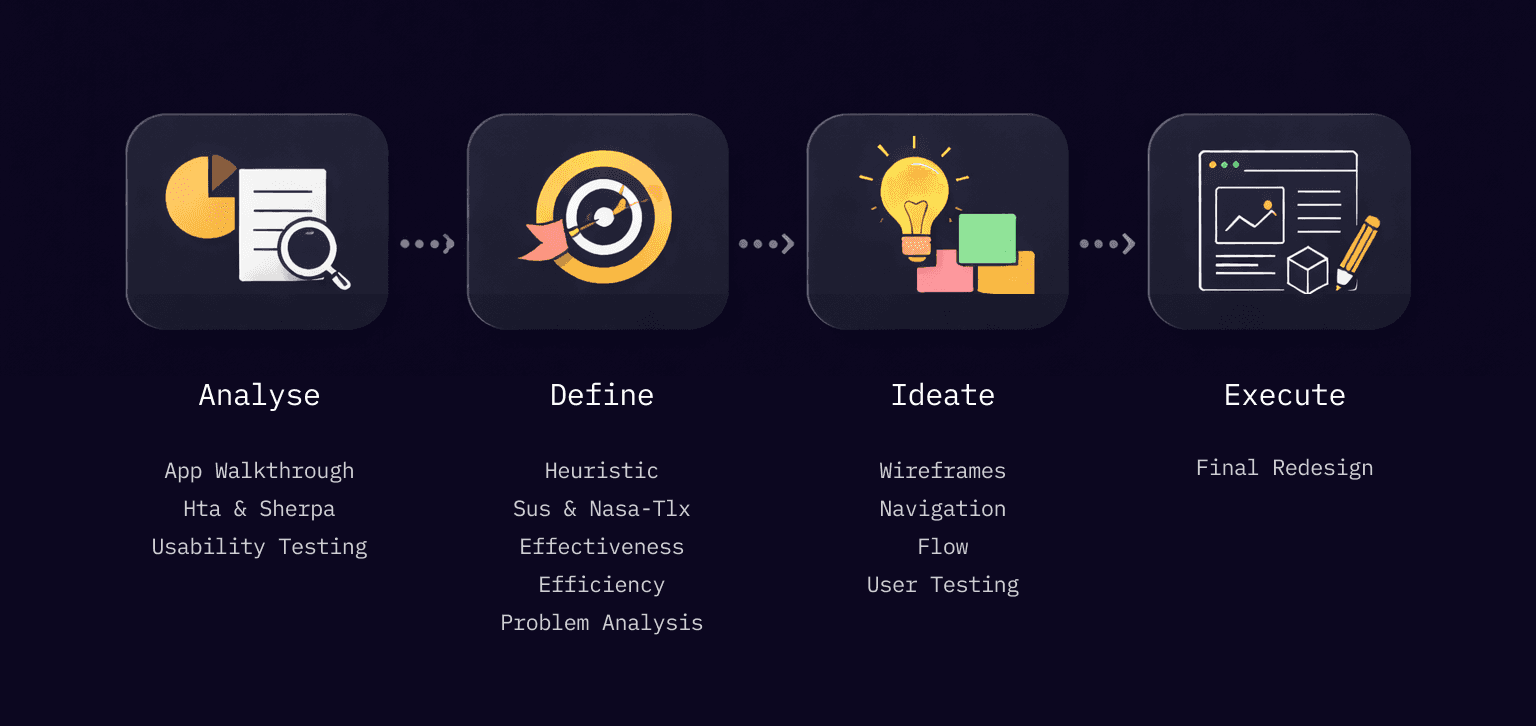
Design Process

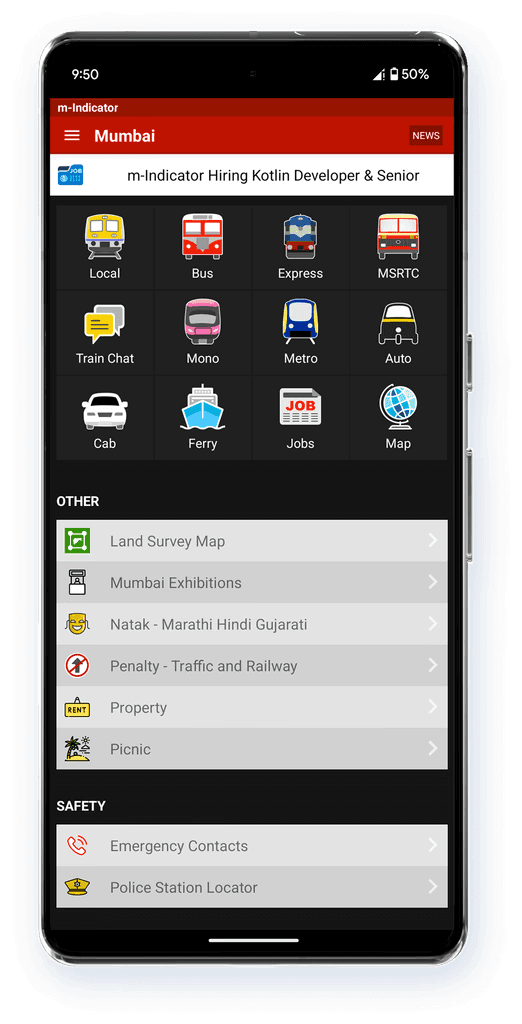
App Walkthrough
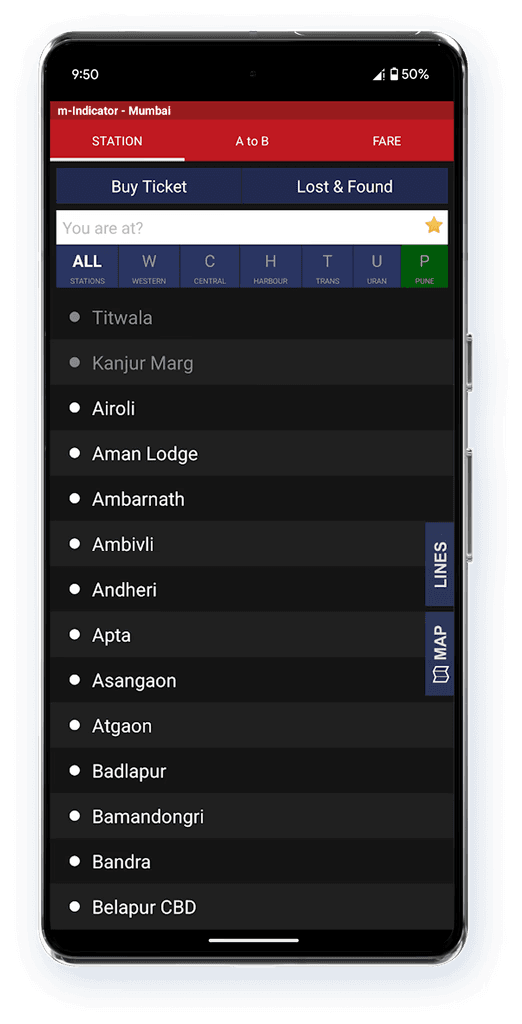
v17.0.338, 16 Sep 2025

v17.0.338, 16 Sep 2025

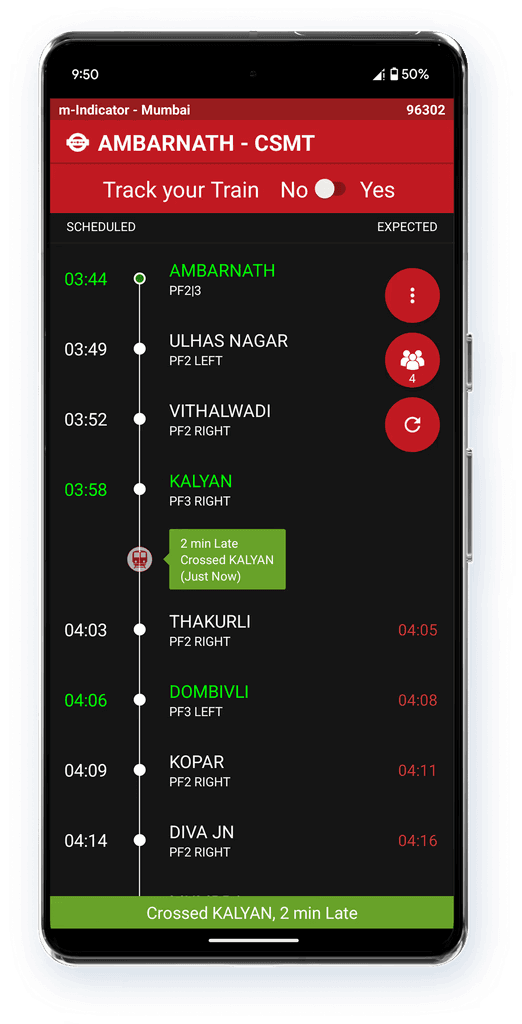
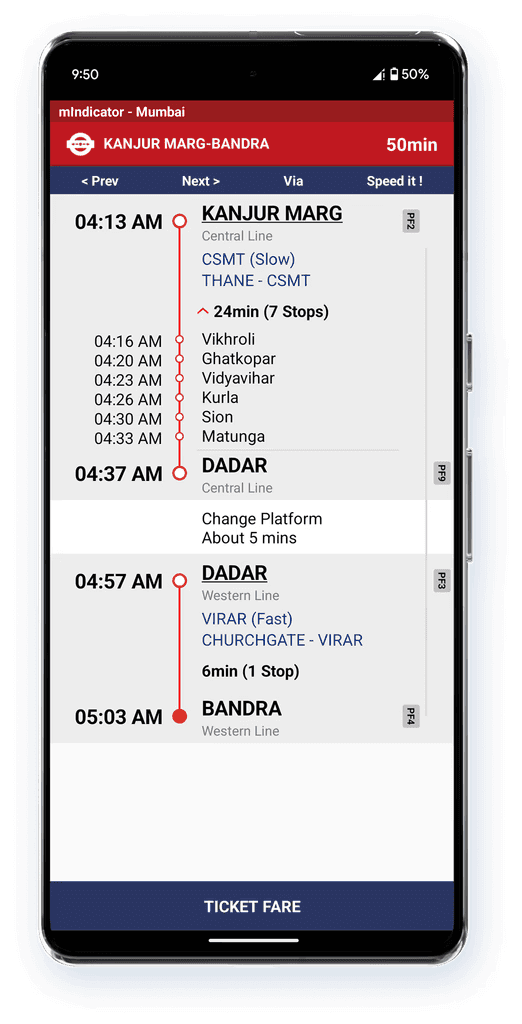
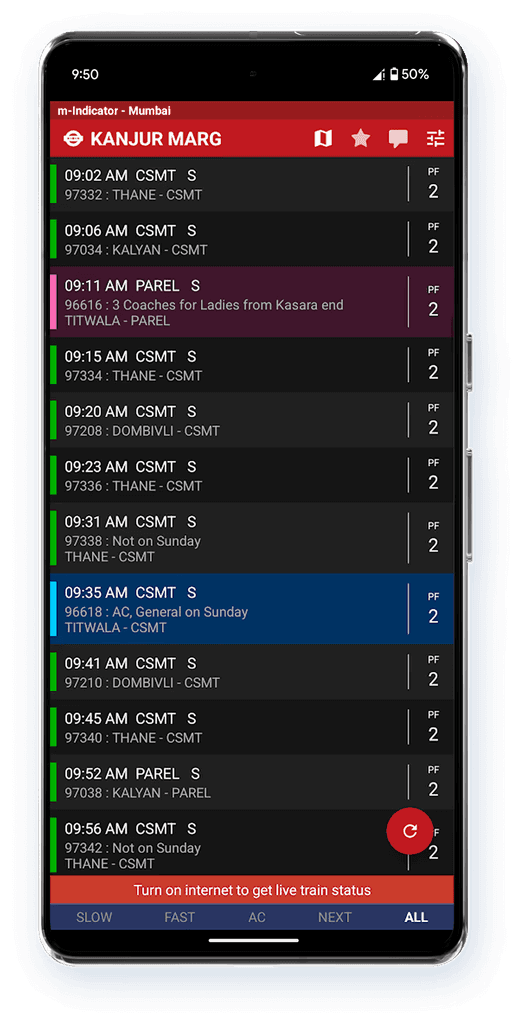
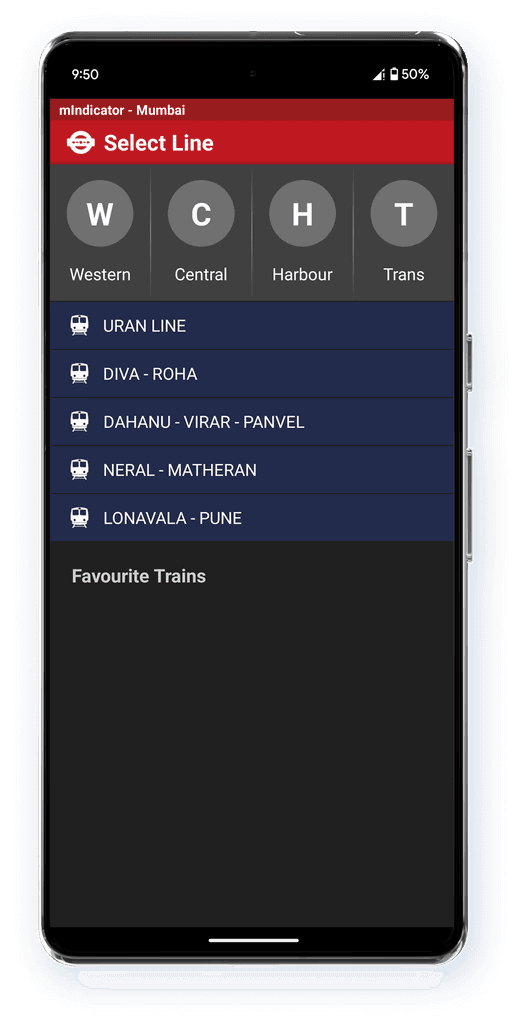
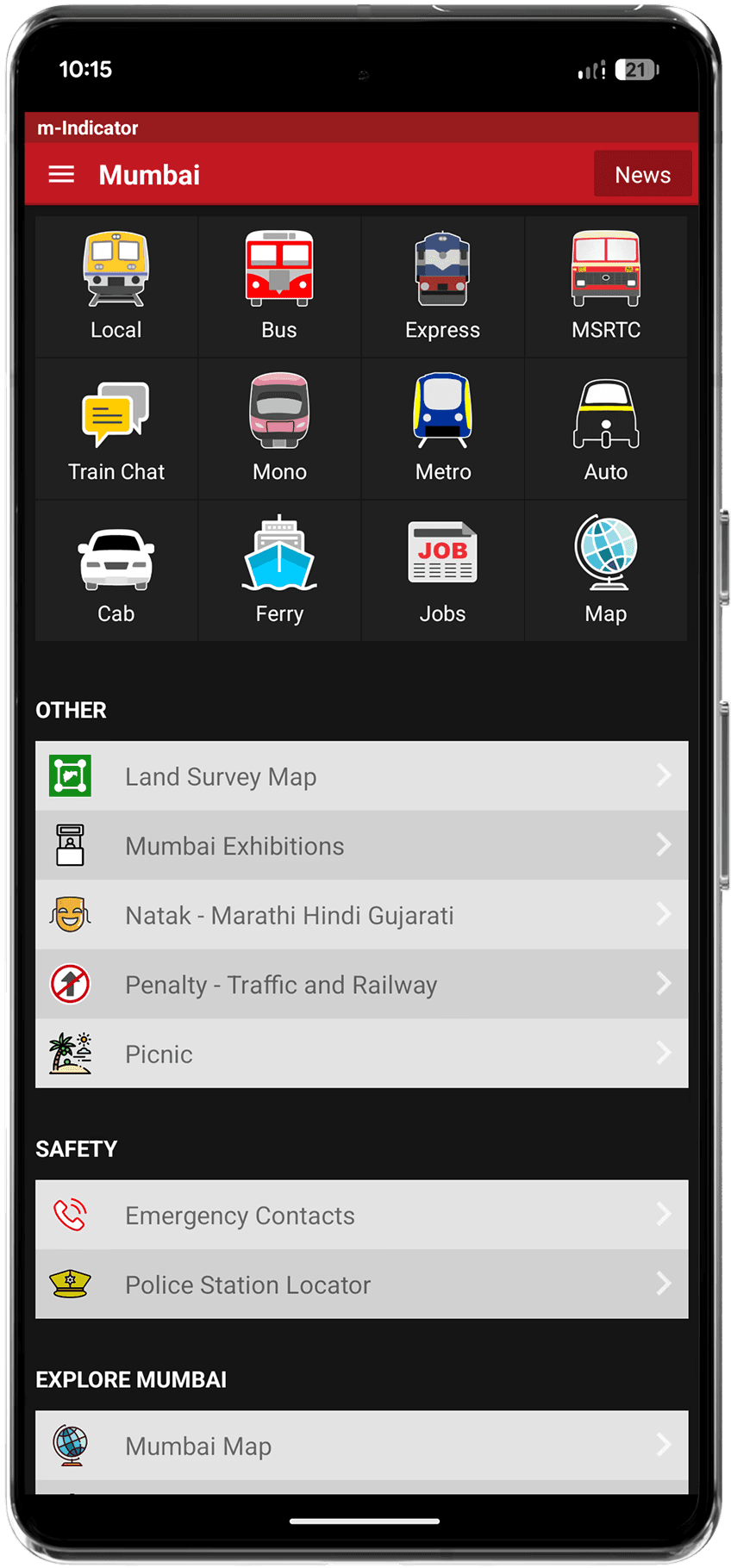
Explored the app to understand its structure, flow, and information architecture, reviewing each screen to study navigation patterns, hierarchy, and overall usability.

Explored the app to understand its structure, flow, and information architecture, reviewing each screen to study navigation patterns, hierarchy, and overall usability.

Explored the app to understand its structure, flow, and information architecture, reviewing each screen to study navigation patterns, hierarchy, and overall usability.

Usability Test

5 Tasks

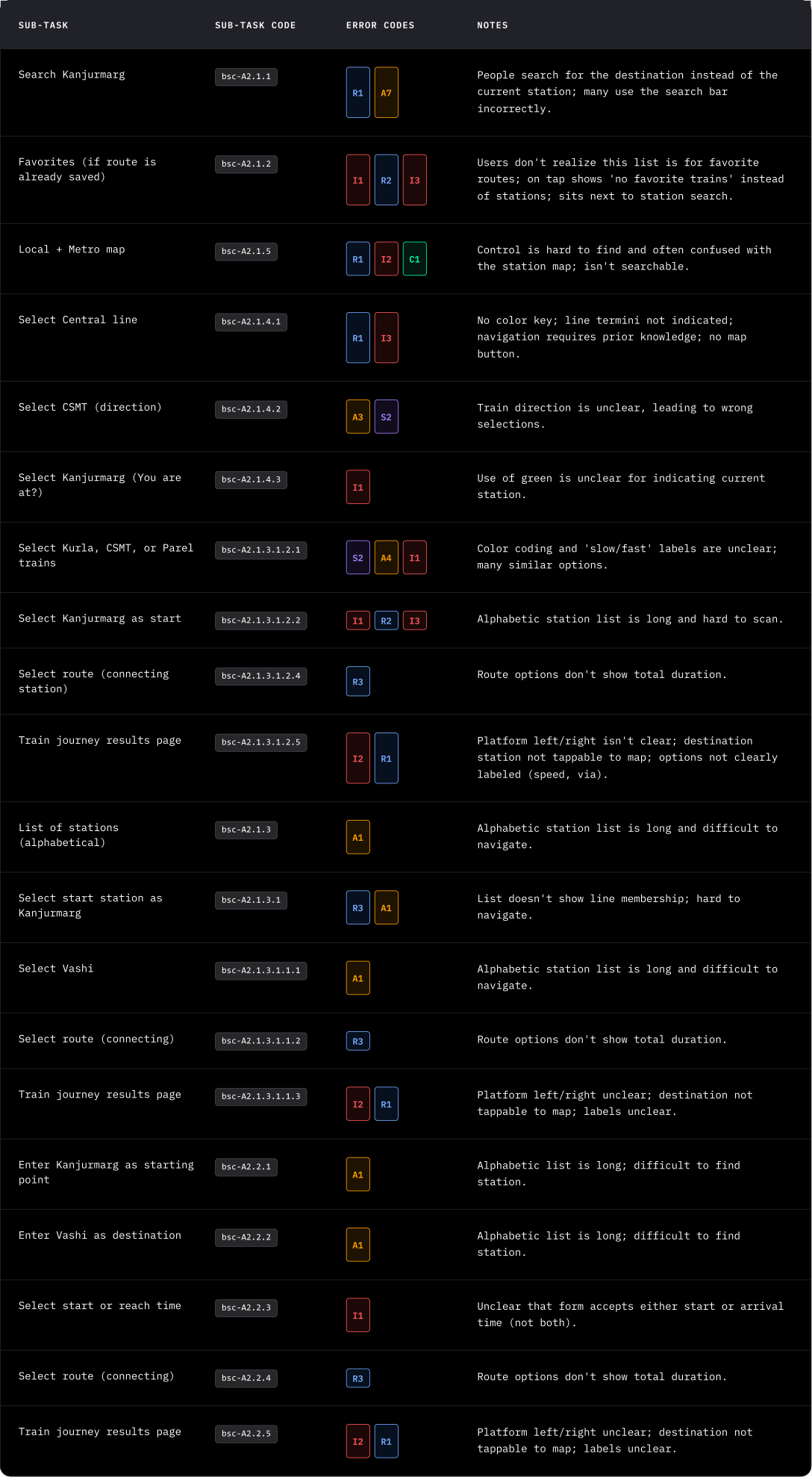
Task 1

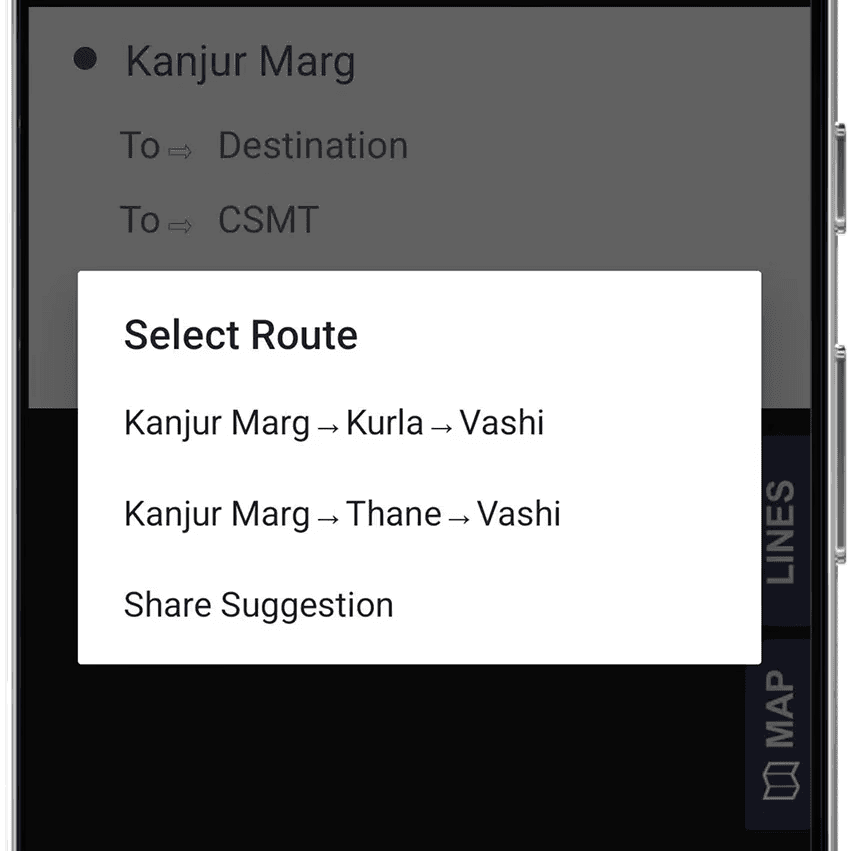
Finding the train to go from Kanjurmarg to Vashi

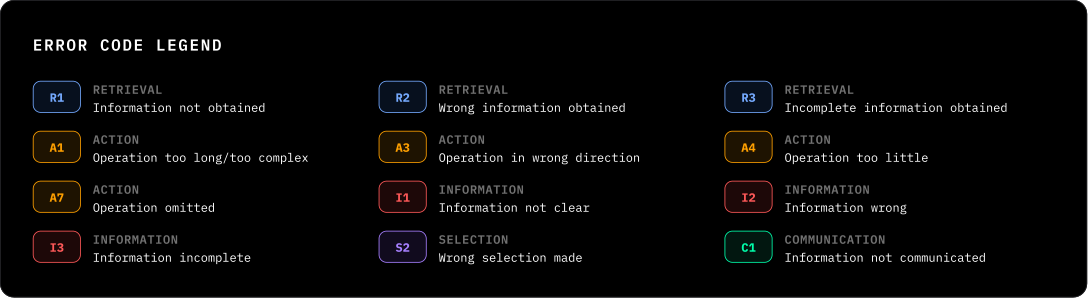
Total Errors: 33


Action: 11

Retrieval: 12

Communication: 8

Selection: 2

Checking: 1
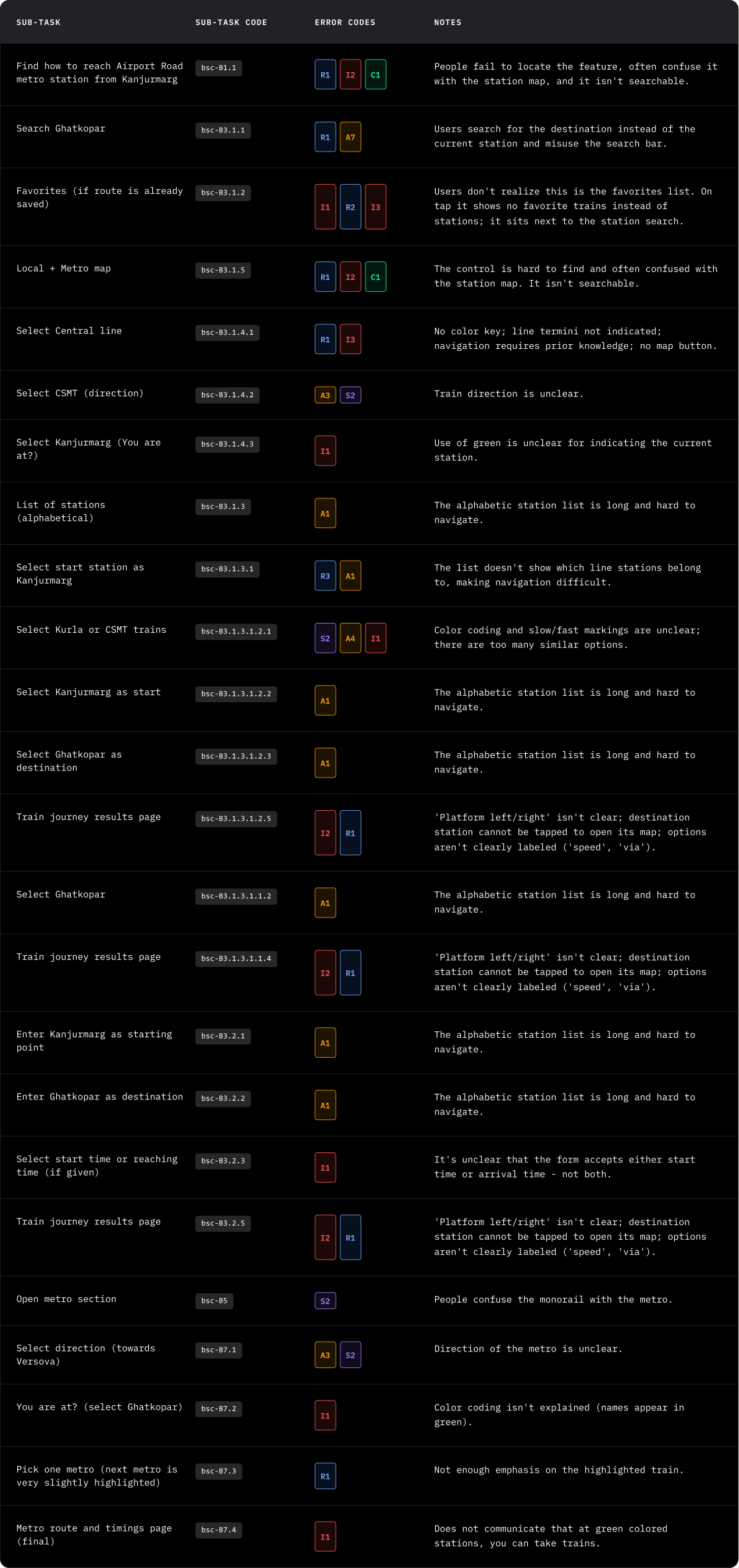
Task 2

Commuting to Airport Road metro station from Kanjurmarg railway station

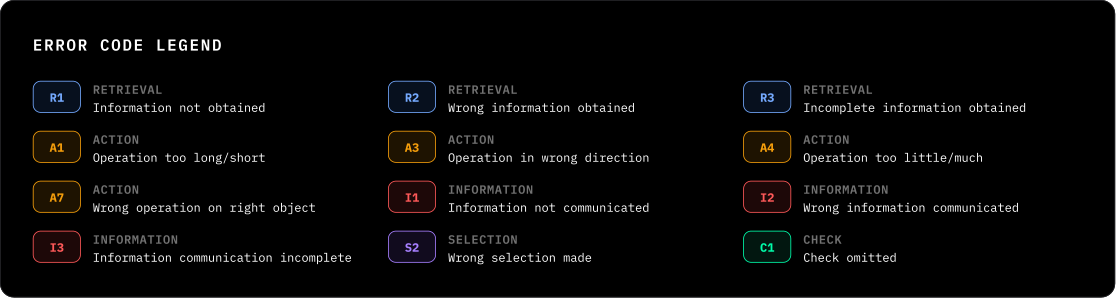
Total Errors: 40


Action: 11

Retrieval: 10

Communication: 13

Selection: 4

Checking: 2
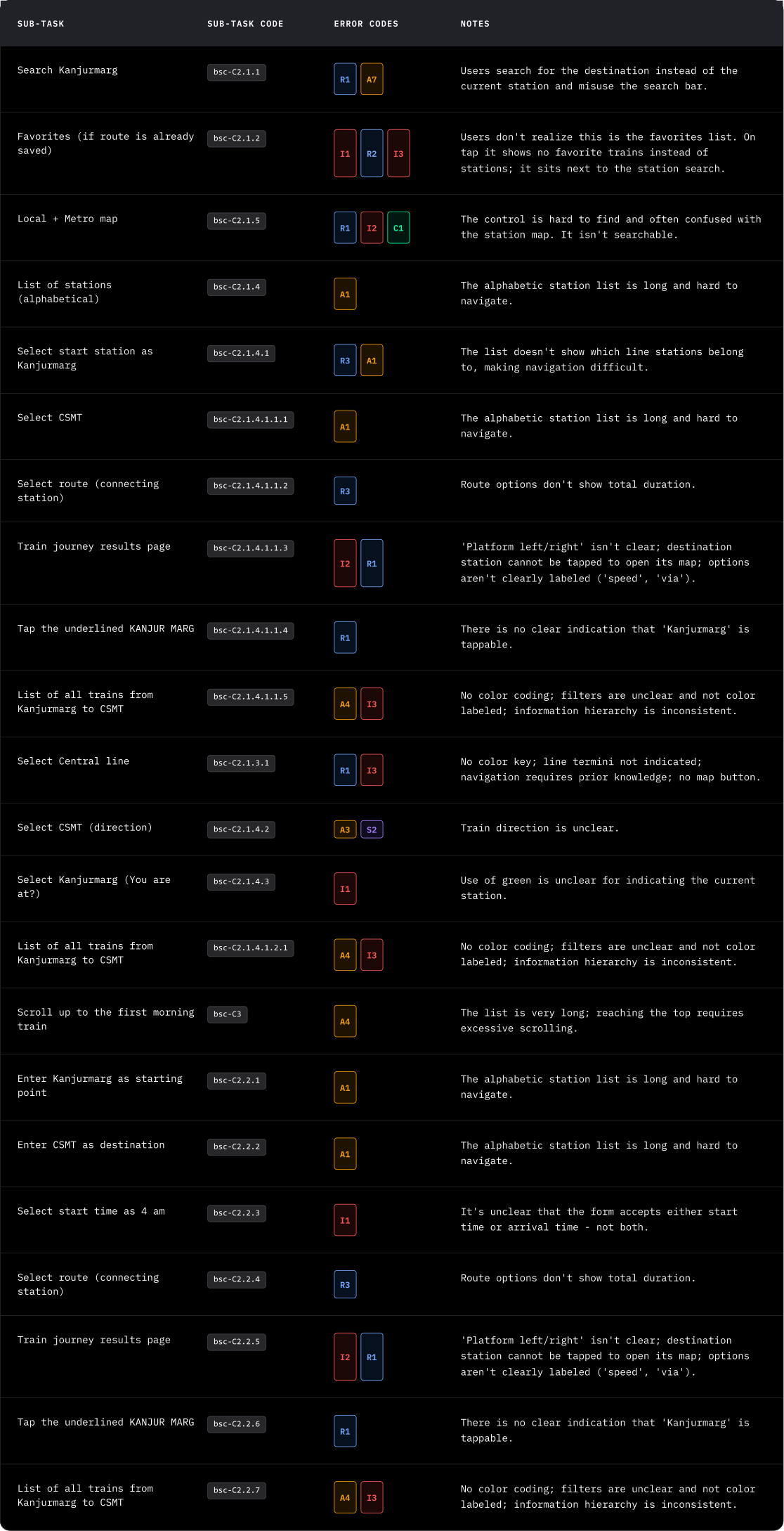
Task 3

Take the first morning train from Kanjurmarg to CSMT

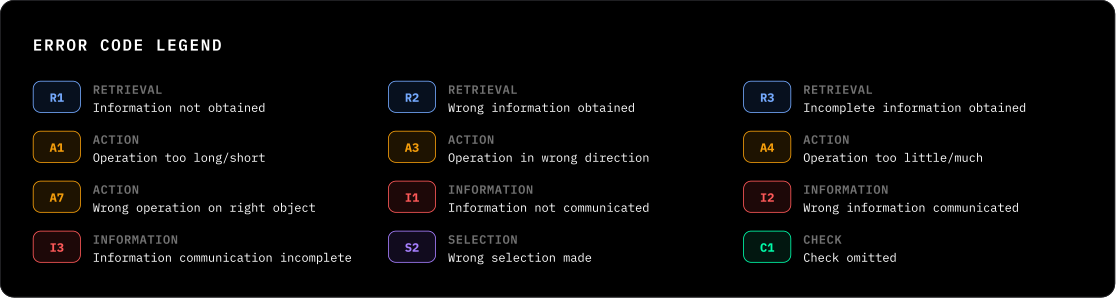
Total Errors: 36


Action: 11

Retrieval: 11

Communication: 11

Selection: 1

Checking: 2
Task 4

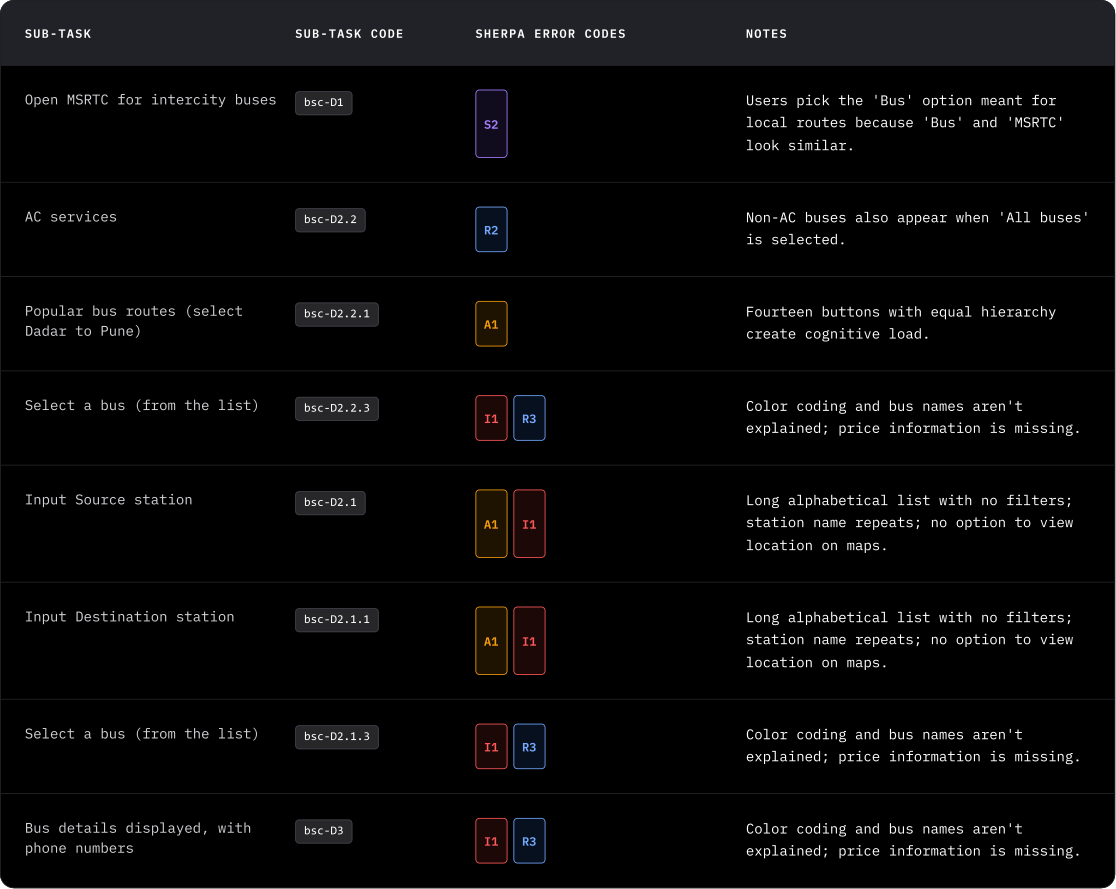
Find buses from Dadar to Pune

Total Errors: 22


Action: 3

Retrieval: 4

Communication: 5

Selection: 1

Checking: 1

Task 5

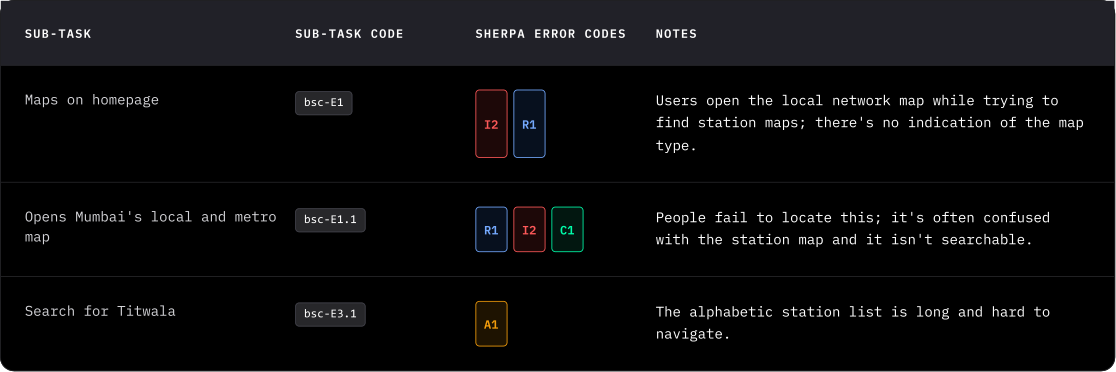
Open station map of Titwala

Total Errors: 6


Action: 1

Retrieval: 2

Communication: 2

Selection: 0

Checking: 1

67.5%

Effectiveness

62.5 Sec/ task

Efficiency

System Usability Score
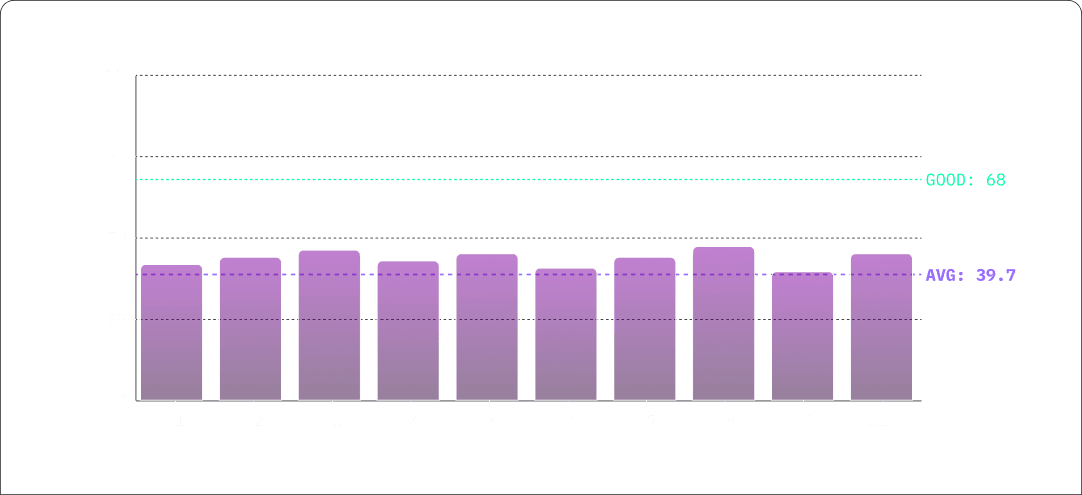
Satisfaction is a test that helps in quantifying a qualitative property.
A score above 68 is considered good.

M-Indicator got a score of 39.7

Satisfaction is a test that helps in quantifying a qualitative property.
A score above 68 is considered good.

M-Indicator got a score of 39.7

Satisfaction is a test that helps in quantifying a qualitative property.
A score above 68 is considered good.

M-Indicator got a score of 39.7

NASA-TLX

Subjective workload scores across six factors: mental demand, physical demand, temporal demand, performance, effort, and frustration, plus a combined index.
Higher bars mean higher perceived workload.

An overall score >50 suggests a redesign is needed.

Subjective workload scores across six factors: mental demand, physical demand, temporal demand, performance, effort, and frustration, plus a combined index.
Higher bars mean higher perceived workload.

An overall score >50 suggests a redesign is needed.

Subjective workload scores across six factors: mental demand, physical demand, temporal demand, performance, effort, and frustration, plus a combined index.
Higher bars mean higher perceived workload.

An overall score >50 suggests a redesign is needed.

Problems

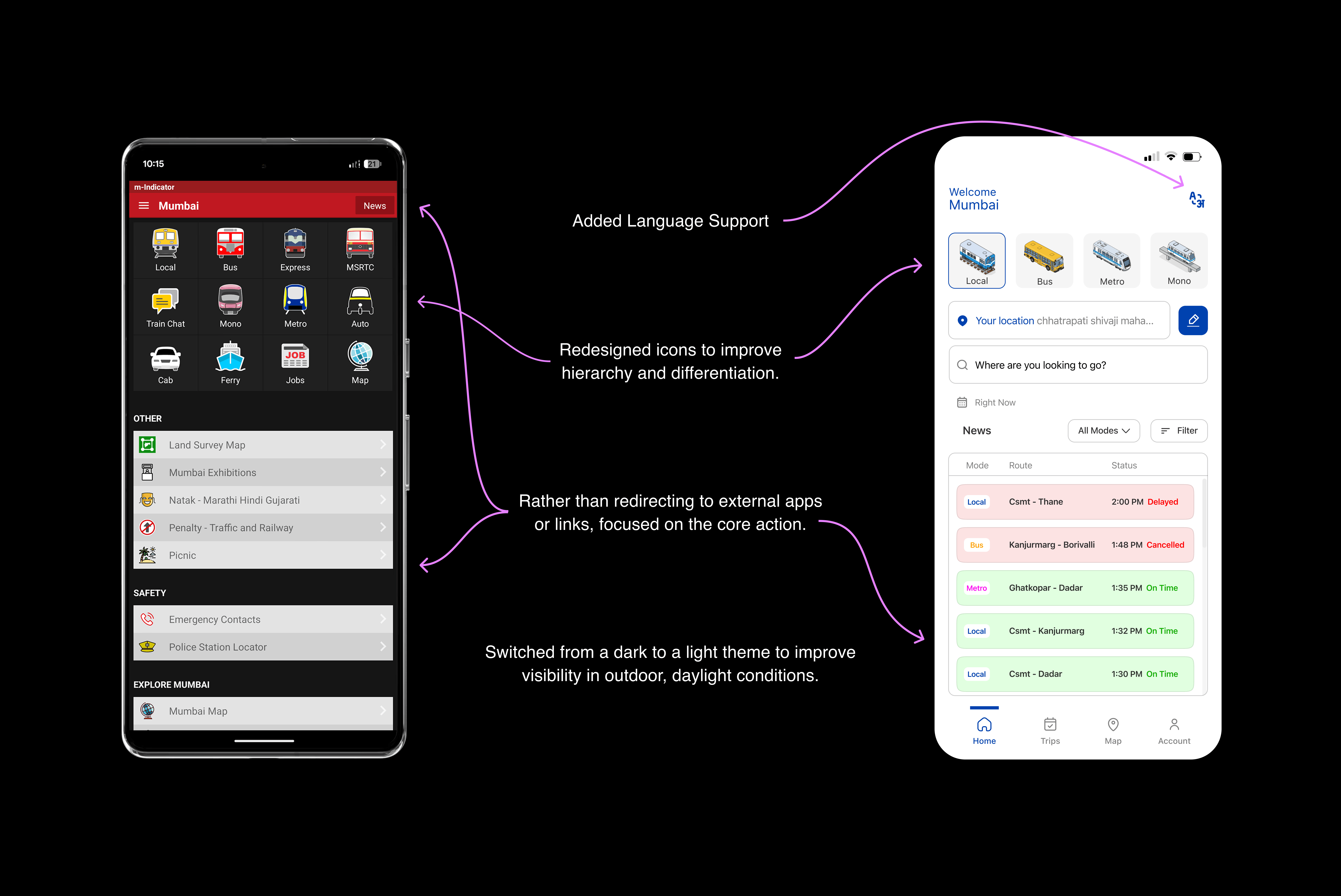
Flat hierarchy

Flat hierarchy

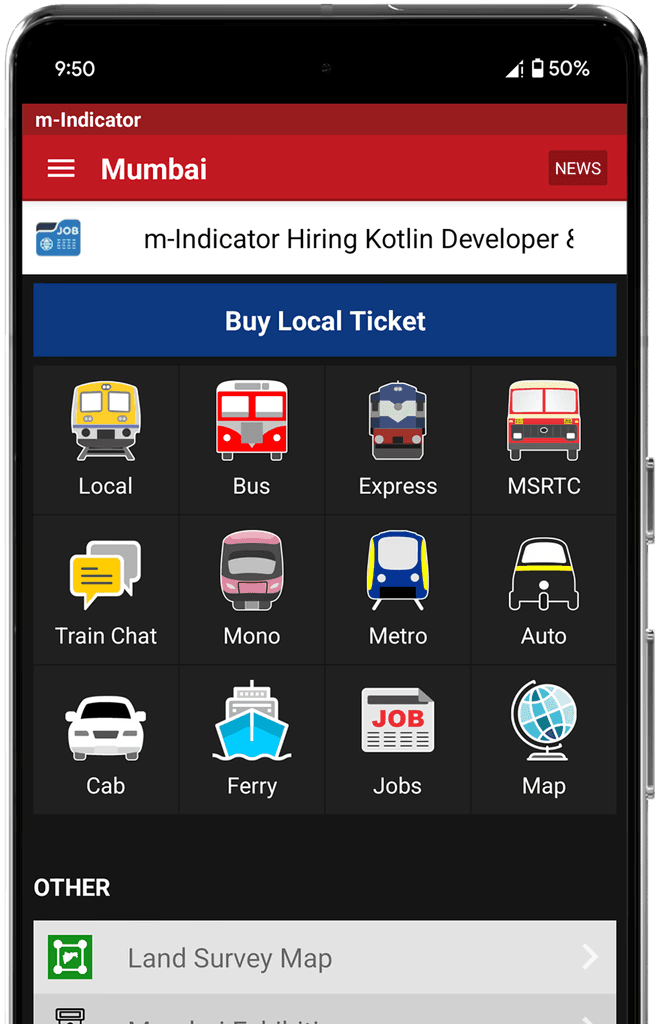
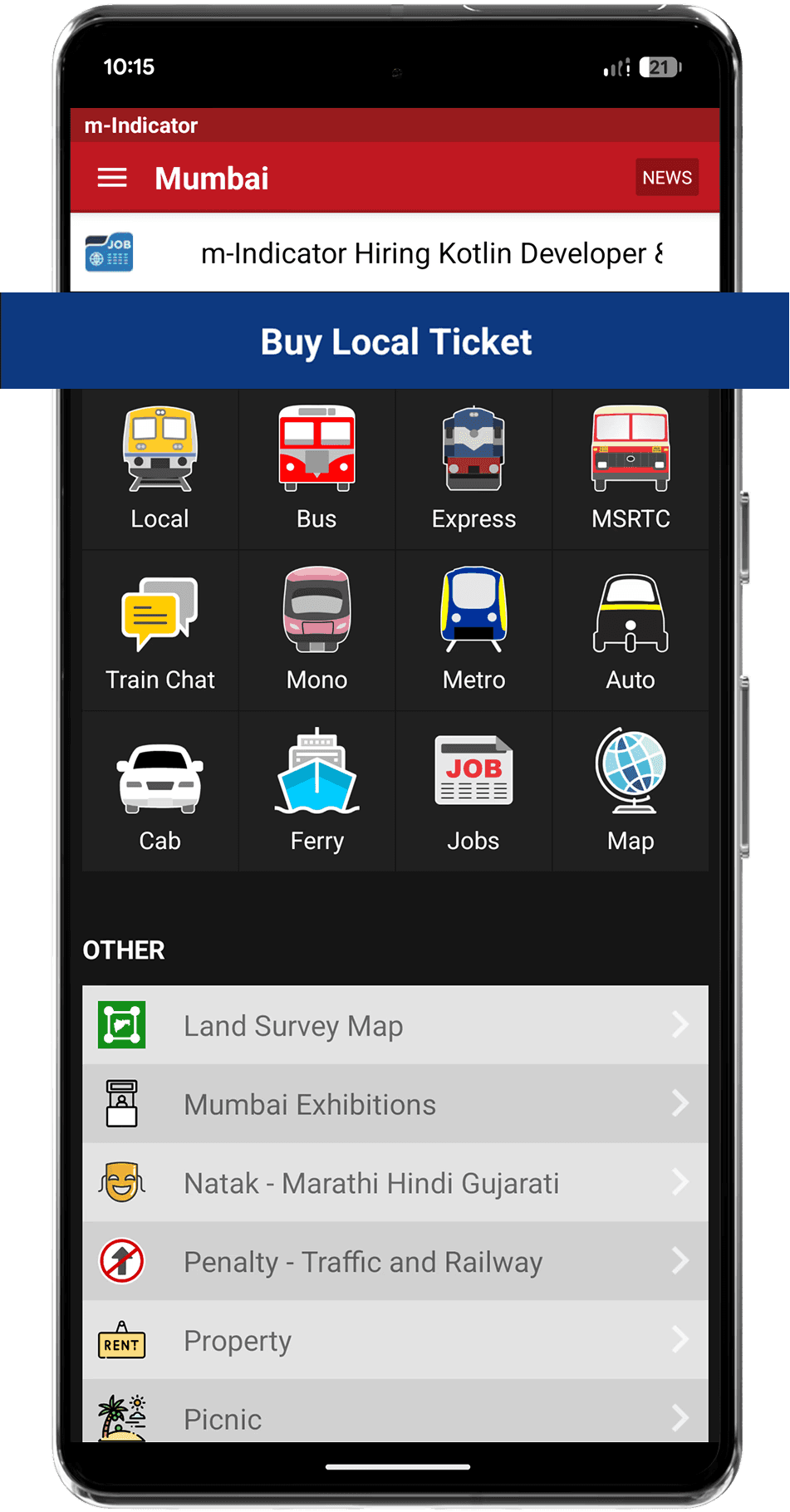
Core action Local is visually equal to secondary features

Core action Local is visually equal to secondary features

Unexpected app switch

Unexpected app switch

“Buy Ticket” opens another app without warning

“Buy Ticket” opens another app without warning

Weak differentiation

Weak differentiation

Bus and MSRTC look near-identical, users mix them up

Bus and MSRTC look near-identical, users mix them up

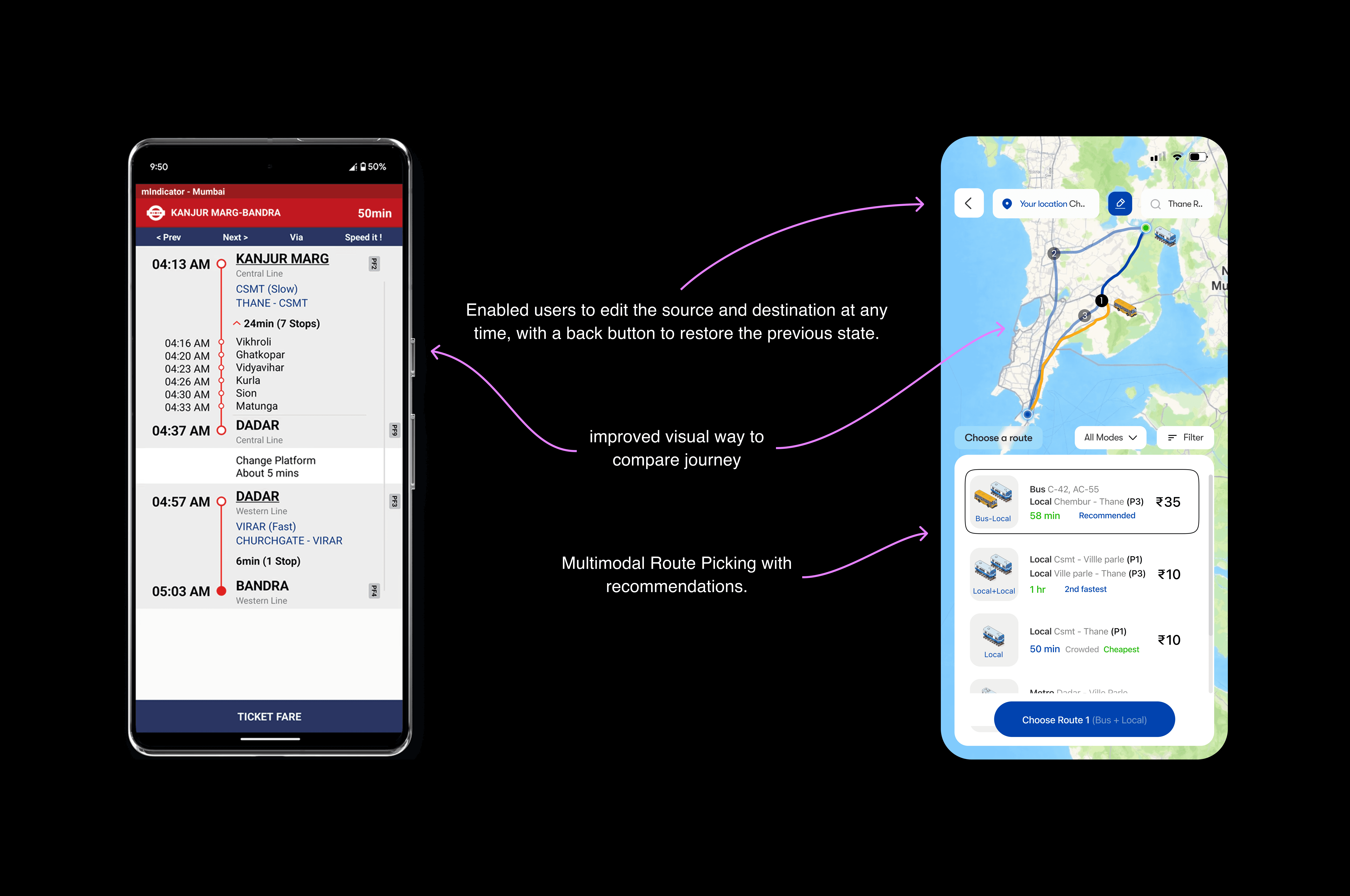
No mixed-mode trips

No mixed-mode trips

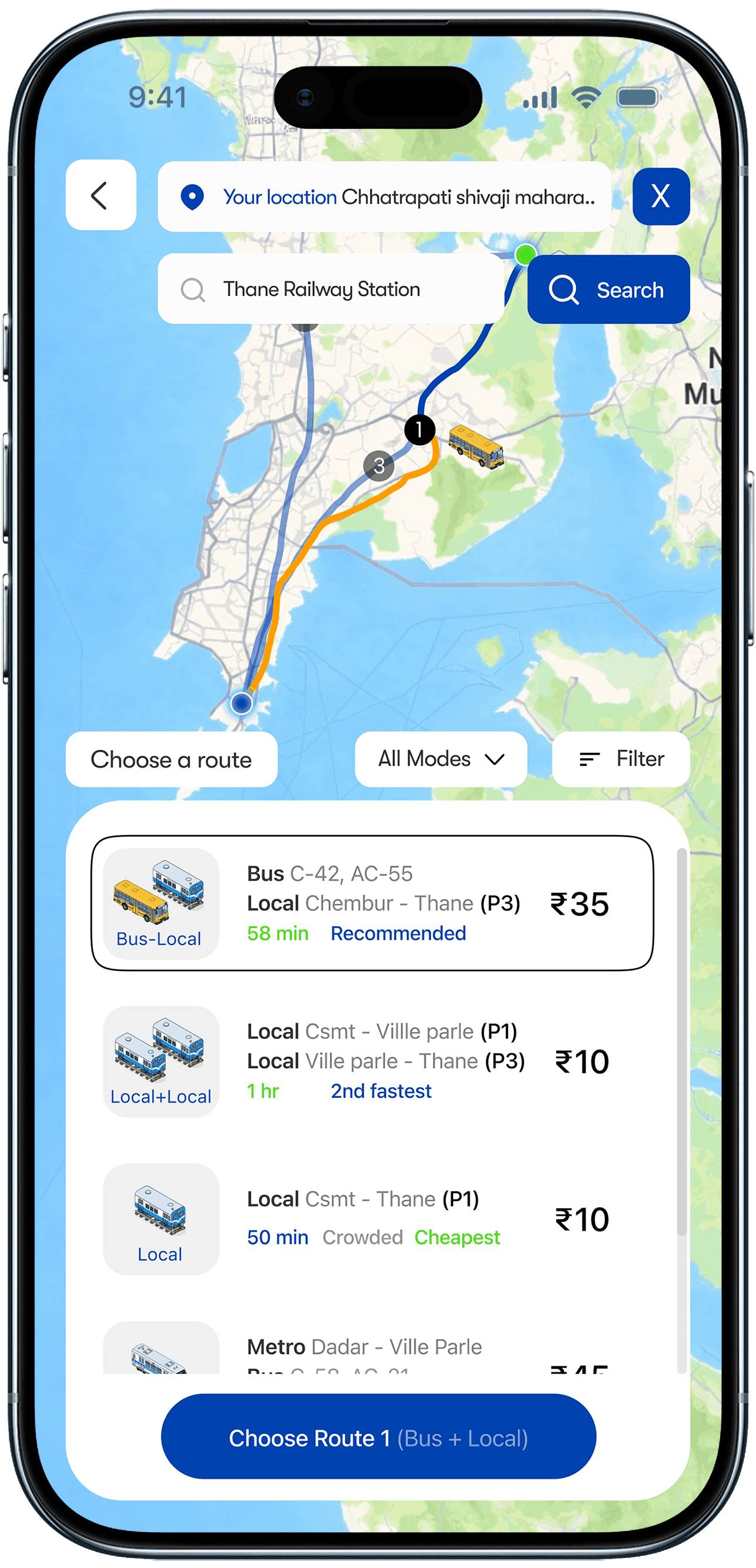
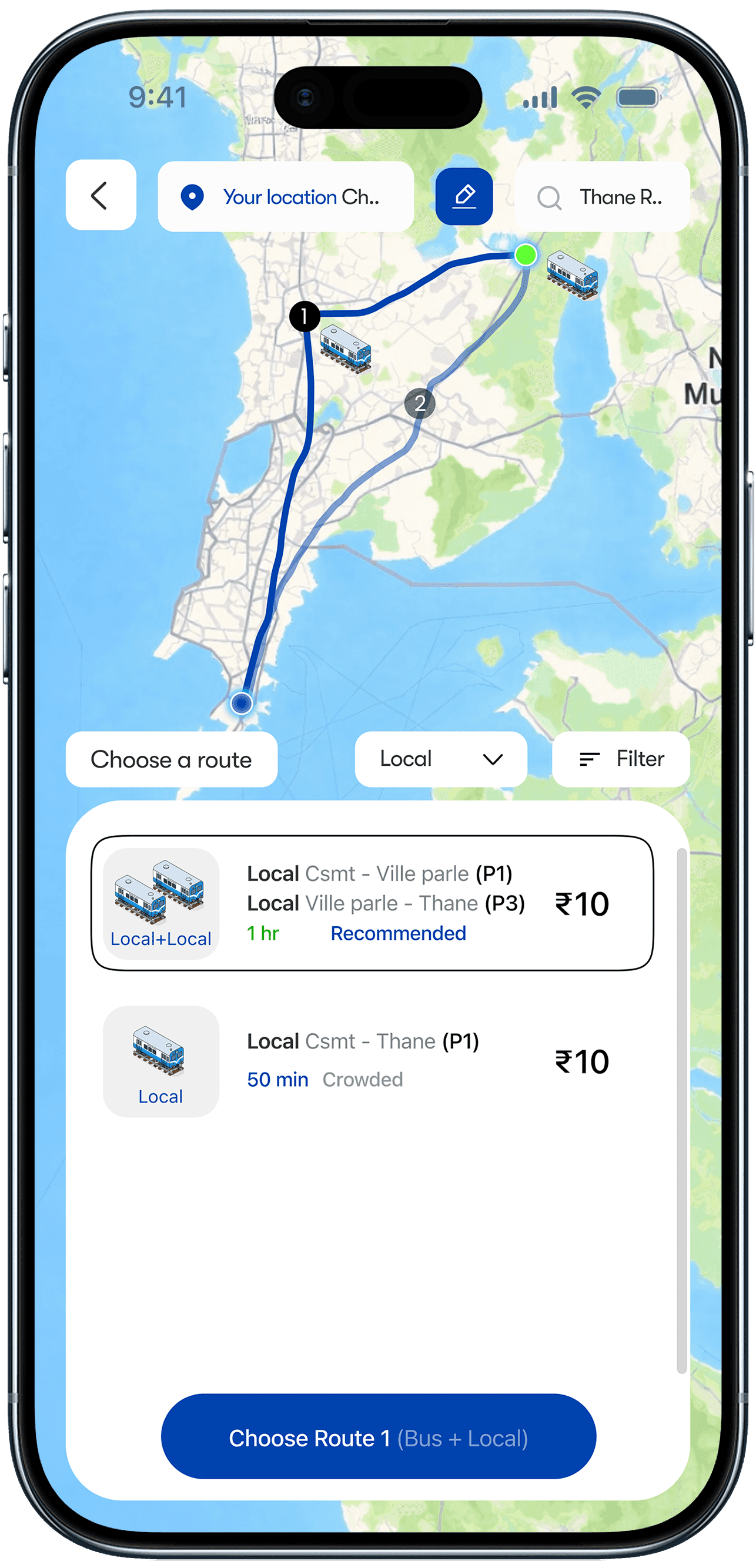
App has data for all modes but no mixed-mode route

App has data for all modes but no mixed-mode route

Redesign

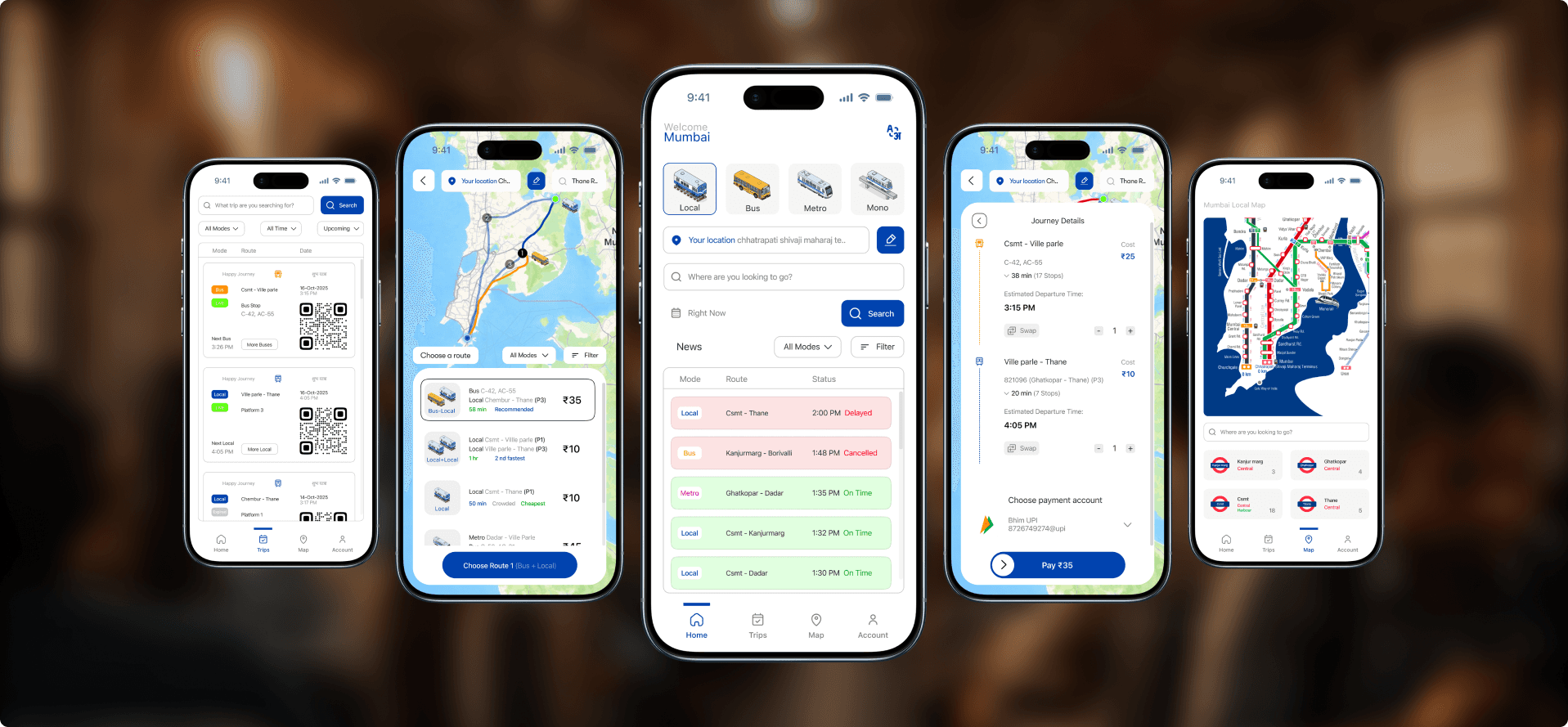
Final Screens
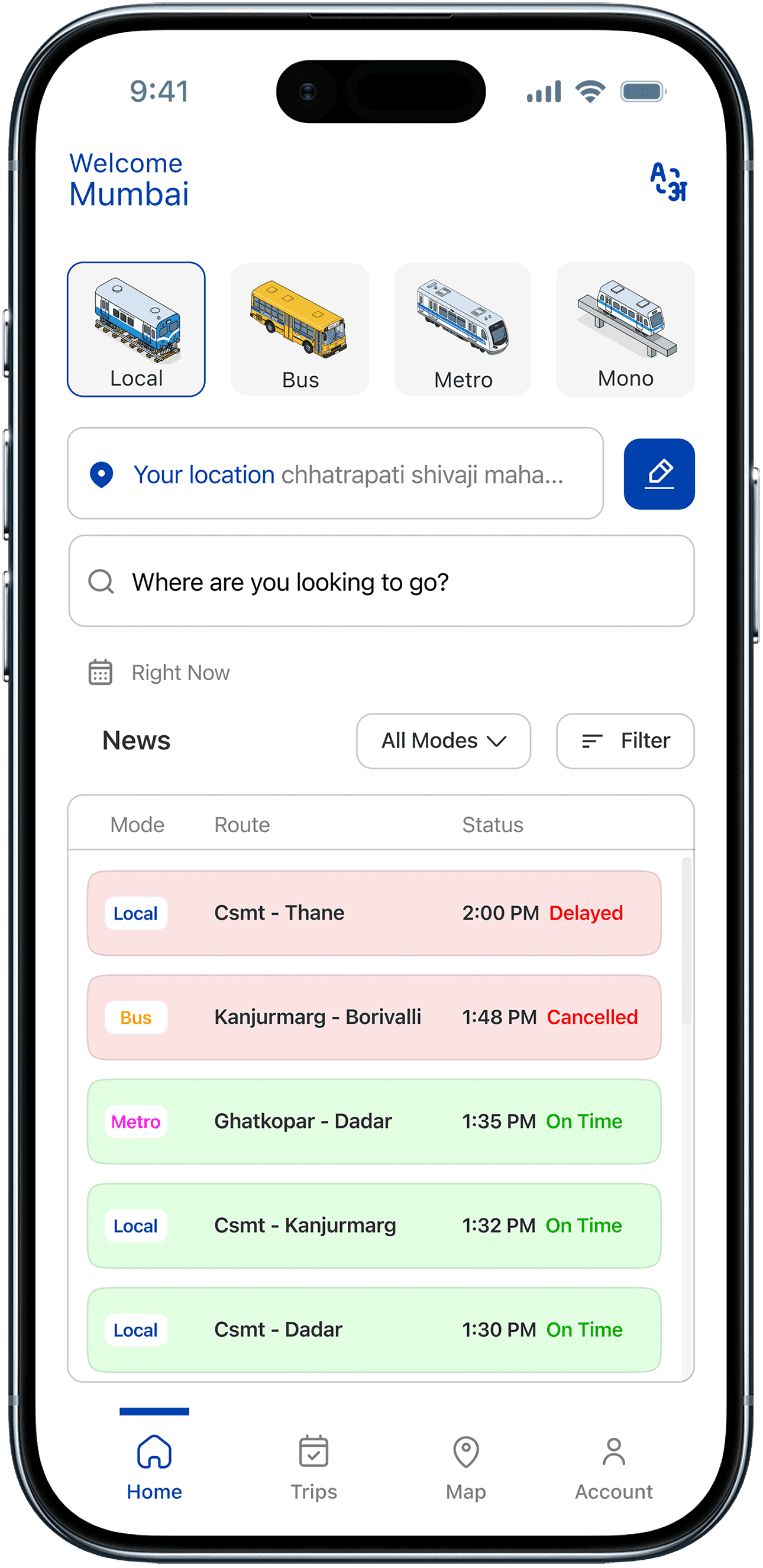
Prototype

Heuristics
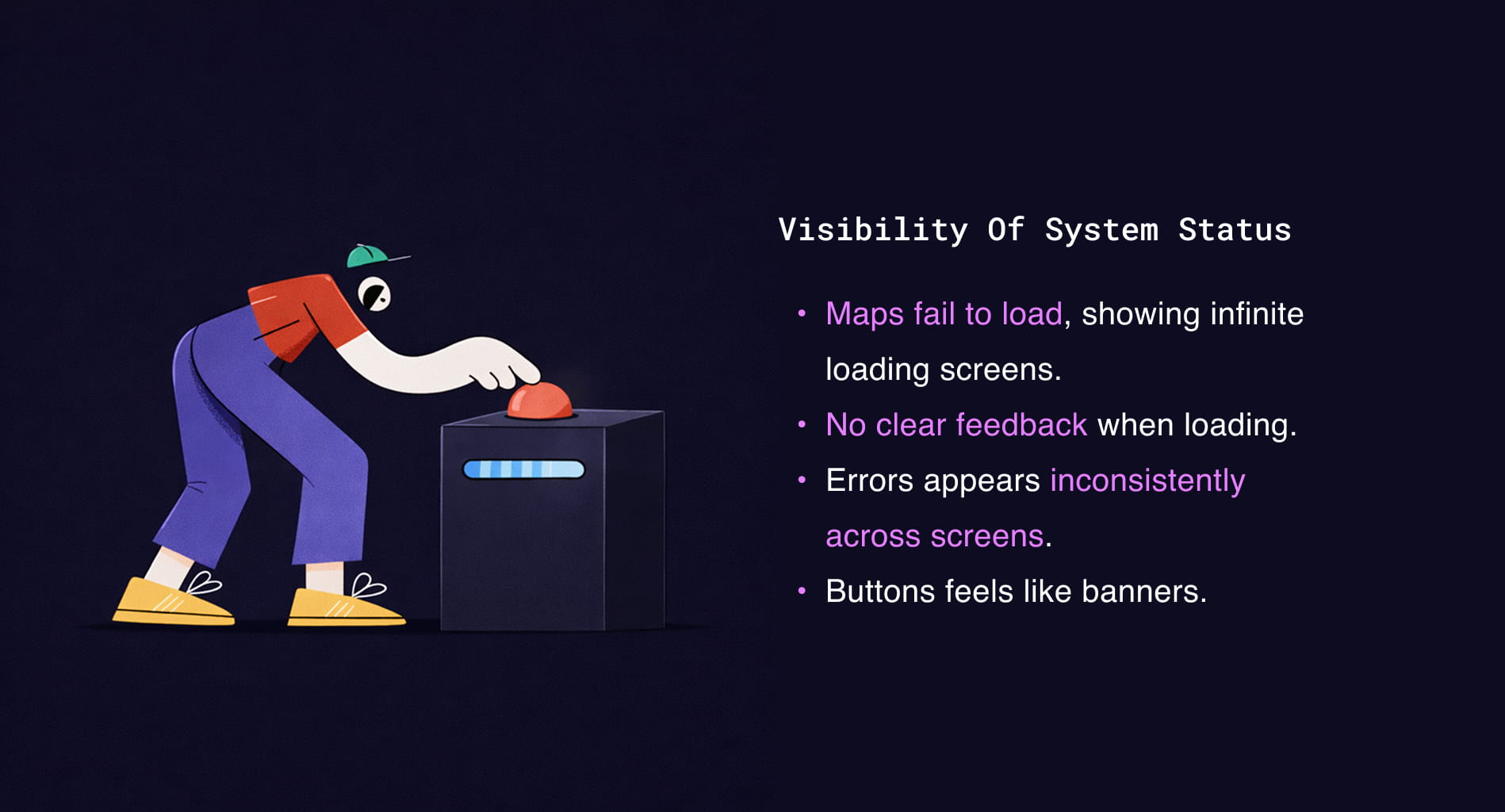
Miner

Miner

Miner

Miner

Miner

EMS

EMS

EMS

EMS

EMS

2026

2026

2026

Connect

Connect

Connect